
What Is a Home Insurance Exchange?
A home insurance exchange provides homeowners insurance much like any other carrier - the primary difference is how the organization is structured and managed behind the scenes.
 Andrew KoehnekeJun 30, 2026
If you've been shopping for homeowners insurance recently, you may have come across the term home insurance exchange. While it may sound different from a traditional insurance company, a home insurance exchange provides homeowners insurance much like any other carrier. The primary difference is how the organization is structured and managed behind the scenes.
A home insurance exchange is an organization where policyholders collectively share insurance risk. Rather than being owned by shareholders or a private corporation, an exchange is made up of its members - the homeowners who purchase insurance policies through the exchange. The day-to-day operations, including underwriting, claims handling, customer service, and policy administration, are typically managed by a separate company known as an attorney-in-fact.
For the average homeowner, this difference in structure usually has little impact on the experience of purchasing or using an insurance policy. You still receive a homeowners insurance policy, pay premiums, file claims when covered losses occur, and work with claims adjusters if damage happens to your property.
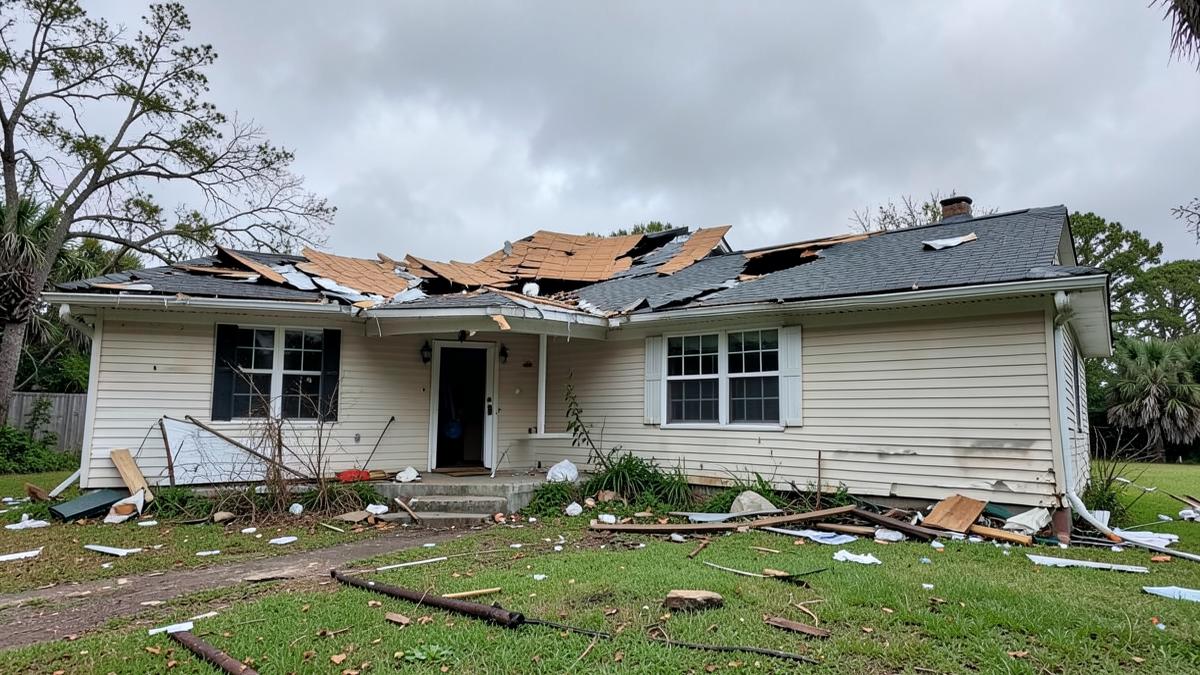
Premiums collected by a home insurance exchange are used to pay covered claims, fund operating expenses, and maintain financial reserves for future losses. Like traditional insurance companies, exchanges must carefully manage risk to ensure they have sufficient resources to pay claims after major events such as hurricanes, tornadoes, wildfires, or severe storms.
How an Exchange Differs from a Traditional Insurance Company
The biggest distinction between an insurance exchange and a traditional insurance company is ownership. Traditional insurance companies are generally owned by shareholders or private investors, while insurance exchanges are owned collectively by their policyholders. Because there are no outside shareholders, some exchanges emphasize serving the long-term interests of their members rather than maximizing profits for investors.
Home insurance exchanges are licensed and regulated by state insurance departments just like traditional insurance carriers. They must meet financial requirements, comply with insurance regulations, and maintain reserves to help ensure claims can be paid when policyholders experience covered losses.
How to Decide If an Exchange Is Right for You
Whether an insurance exchange is the right choice depends less on its business structure and more on the quality of the insurance policy itself. Homeowners should compare coverage limits, deductibles, replacement cost provisions, available endorsements, financial strength ratings, claims service, and premium costs before selecting any insurance company.
Ultimately, a home insurance exchange is simply another way an insurance company can be organized. While its ownership structure differs from that of a traditional insurer, its purpose remains the same: providing financial protection for homeowners against covered losses. When shopping for homeowners insurance, the most important factors are finding a financially strong insurer, purchasing the right coverage for your home, and choosing a company with a reputation for reliable claims service.