
What Is FIGA? How Florida's Insurance Safety Net Protects Consumers
FIGA is Florida's safety net that pays claims when a property and casualty insurance company becomes insolvent. Here's how it works, what it covers, and the payout limits Bonita Springs and Fort Myers homeowners should know about.
 Andrew KoehnekeJul 13, 2026
Buying insurance is rarely anyone's favorite errand, but protecting your home, car, or business is one of the most important financial decisions you can make. Part of making a smart insurance purchase is understanding what happens if the company behind your policy runs into financial trouble. In Florida, the answer is the Florida Insurance Guaranty Association, better known as FIGA.
As an independent insurance agency serving Bonita Springs, Fort Myers, and the rest of Southwest Florida, we work with homeowners every day who want to know their policy will actually pay when it matters. FIGA is a big part of why Florida's property and casualty market has a safety net in place.
What Is FIGA?
The Florida Insurance Guaranty Association is a non-profit entity created by the Florida Legislature in 1970. Its purpose is to provide prompt payment of covered claims when a property and casualty insurance company licensed in Florida becomes insolvent, meaning it can no longer pay claims on its own.
Most people are familiar with the FDIC, which protects bank customers if their bank fails. FIGA plays a similar role for Florida insurance consumers. It is not an insurance company itself. It is a safety net that steps in when extraordinary events cause an otherwise healthy carrier to become financially unable to meet its obligations.
What FIGA Covers
FIGA covers most property and casualty policies written in Florida, including homeowners, condo, auto, and many commercial lines. However, not every type of insurance falls under FIGA. Lines like life, health, workers' compensation, and title insurance are handled by other guaranty associations. Because coverage rules can be nuanced, it's important to talk through your specific policies with your agent.
FIGA Coverage Limits
One of the most important things to understand about FIGA is that it has statutory caps on how much it will pay. These limits may be lower than the limits in your original policy, which is why the conversation about carrier strength still matters. Generally, FIGA's limits fall into three categories:
General limit: $300,000 per claim.
Homeowners coverage: up to $500,000 for property damage and $300,000 for liability claims.
Condominium or homeowner association coverage for residential units: $100,000 multiplied by the number of units, applied as an aggregate limit.
For a full and current list of covered lines and limits, you can visit figafacts.com. Your independent agent can also walk you through how these caps would apply to your specific policy.
Why Caps Exist
FIGA is designed to protect consumers from being financially wiped out when a carrier becomes insolvent, not to fully replace a private insurance market. Florida's market has other safeguards in place - reinsurance, capital requirements, and regulatory oversight - all designed to keep companies solvent in the first place. FIGA exists for the moments when those safeguards are not enough, typically after major hurricane seasons or other large, unforeseen events.
The caps allow FIGA to fulfill its role as a safety net while remaining financially sustainable across many carriers and many years.
How FIGA Is Funded
Unlike a traditional insurance company, FIGA is not funded by selling stock or collecting premiums directly from consumers. Its funding comes from two main sources.
First, a portion of the money used to pay claims comes from the remaining assets of the insolvent insurance company once it has been liquidated. In most cases, those assets are not enough to cover all outstanding claims, and it can take years for them to be recovered and turned into cash.
Second, to bridge that gap, FIGA is authorized by the Legislature to assess member insurance companies a percentage of their premium. Member carriers typically pass that assessment through as a separate line item on Florida property and casualty policies. If you have ever noticed a small FIGA assessment charge on your homeowners or auto declarations page, that is where it comes from and what it is funding.
Why This Matters for Southwest Florida Homeowners
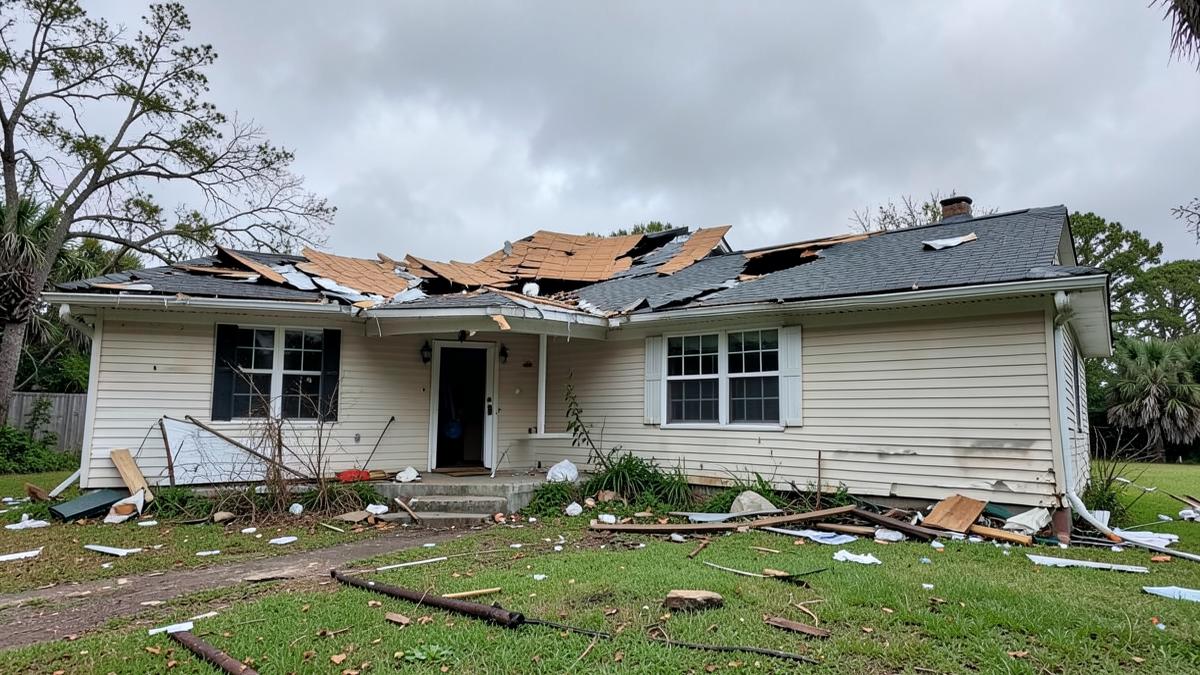
Florida's insurance market has been through a difficult stretch. Between hurricane exposure, litigation trends, and reinsurance costs, several carriers have exited the state or become insolvent in recent years. For homeowners in Bonita Springs, Fort Myers, Naples, and the surrounding areas, FIGA has been the backstop that kept many claims moving forward when carriers were placed into receivership.
Understanding FIGA does not replace the value of choosing a financially strong carrier in the first place. Because we are an independent agency, we can compare multiple carriers, review financial strength ratings, and help you build a policy that combines solid coverage with a company that is well positioned for the long term - all while knowing FIGA is there as a last line of defense.
Talk to a Local Independent Agent
If you have questions about your current carrier, FIGA coverage limits, or whether your homeowners policy is where it needs to be, the Insurance Specialists of SW Florida team is here to help. We work with multiple carriers, understand Florida's unique insurance environment, and can walk you through your options in plain language.
Reach out to our Bonita Springs office or request a quote to get started.